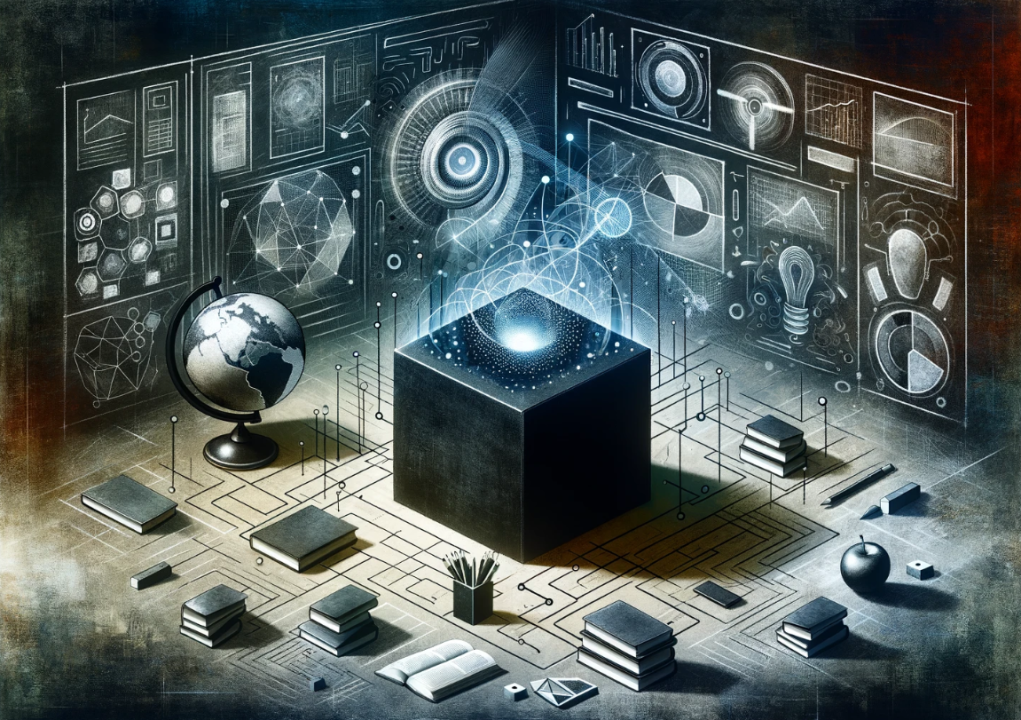

Black box students in the age of AI
What does it mean to understand your own work when AI helped produce it? As someone studying computer science with an interest in business, finance and professional communications, I have started to notice this question is more relevant than one place. In computer science, a student can use AI to generate code that runs, passes basic tests and looks clean, even if they can’t fully explain the logic behind it. In business or finance, the same issue occurs differently. AI can produce a strong analysis, financial summary or make recommendations, but the student may not fully understand the assumptions, risks or trade offs behind what they are presenting. Professional communications adds another layer to this problem. Communication is not just about writing strong work but it is about understanding the audience, purpose, tone, context and impact. AI can produce a message that may sound professional, persuasive or emotionally intelligent, but that doesn’t mean the student understands why that message works, how to communicate it in a setting, who it is meant for or what responsibility comes with sending it. A student may submit a strong memo, proposal or reflection, while the deeper choices behind the writing remain unclear.
This is where the idea of the black box student becomes relevantly important. AI models are often called black boxes since we can see what they produce but not always how they got there. In education, students can start to become black boxes themselves. An instructor or professor may see the final submission, but not the process, judgment or understanding behind it. The work may look complete but the learning process becomes harder to verify.