
Embodiment in the CS Classroom
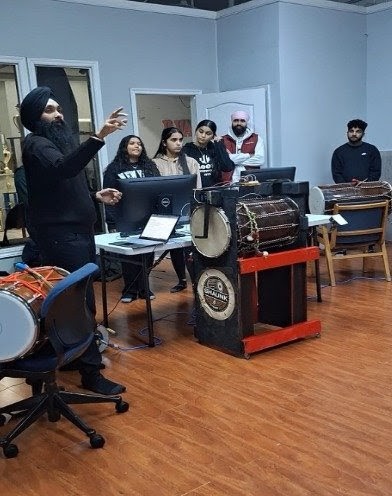
In our university classrooms, students walk into lectures held in large theatres with over 300 people and fail to engage with their surroundings. Without engaging with the people around you in the environment you’re in, are you learning in a meaningful, effective way? The answer is no, which is why my work focuses on embodied learning in Computer Science (CS) Classrooms. Imagine a robotics class where students learn to code a robot's movement but don’t have a robot to engage with. Students may try their level best to code it and might even enjoy it, however, if the robot is brought into the same environment, students will be much more motivated to learn, program and test their code on the robot. I previously ran a study that created an embodied environment by bringing a robotic musical instrument to a dance classroom to teach students how to code and, conversely, to learn how to play it. The feedback from this study showed that students engaged more with the environment, enjoyed learning and had better knowledge retention. Now, embodiment in a CS classroom, or in any classroom, can happen in many different ways. For example, through interdisciplinary methods or by creating an active classroom environment that involves active participation through breakout rooms, activities, and anything that doesn’t keep you stationary at your desk.
Embodied environments do have their drawbacks as well, and the biggest one is scaling. In many university classrooms, students attend in 100s rather than 10s, unlike in Secondary and Elementary schooling. The challenge here is creating a space where students can engage with their environment while maintaining some level of structure. This is an ongoing challenge and a process that requires continued research. The overhead of a poorly designed robot coding day in a classroom of 200 people may result in a very inefficient day of learning and chaos.
Addressing this tension between meaningful engagement and learning at scale remains an open area for research, and one that is critical to the future of effective CS education.